MK CERA Co., LTD.

Most recent update: 2026-07-30
PR message
MK CERA Corporation (株式会社エムケーセラ) is a Japanese precision manufacturer based in Nagano, specializing in fine ceramics, cemented carbide, glass, and other hard-to-machine materials. Founded in 2004 with capital of ¥10 million and about 20 employees, the company supplies custom parts from prototypes and one-off items to repeat production for semiconductor, medical, automotive, aerospace, measuring, analytical, and industrial equipment.
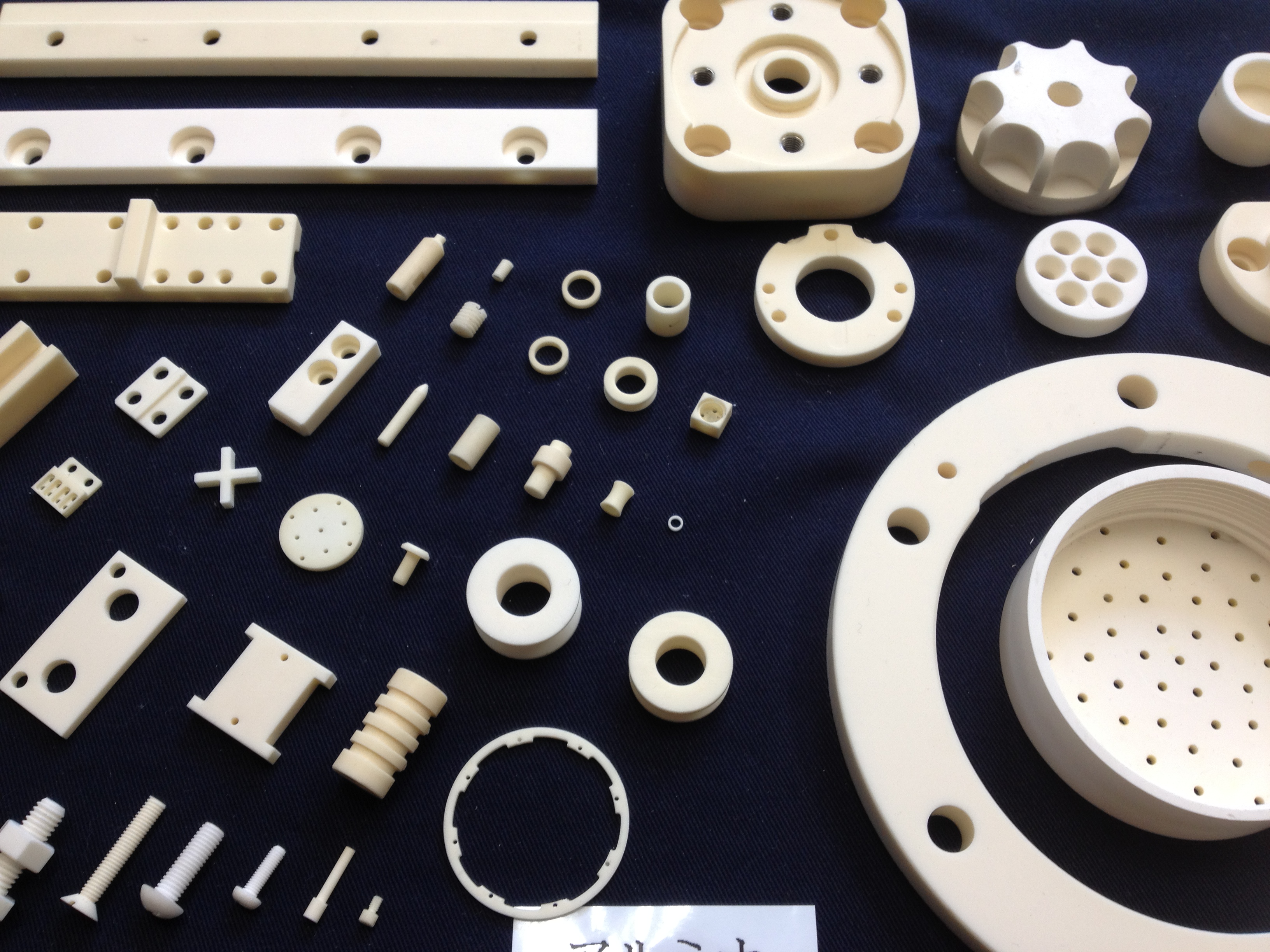
Alumina (Al₂O₃)
① Excellent Material Properties
Alumina (Al₂O₃) is one of the most widely used advanced ceramic materials. It offers excellent hardness, wear resistance, heat resistance, chemical resistance, and electrical insulation. Alumina maintains stable performance in demanding environments and is widely used for components that require durability, reliability, and dimensional stability.
② Advantages over Metals
Compared with metals, alumina provides excellent electrical insulation and superior resistance to corrosion and oxidation. It also maintains its shape and properties at high temperatures and offers excellent wear resistance. Alumina is particularly effective in applications where metals may suffer from corrosion, oxidation, electrical conductivity, or excessive wear.
③ Advantages over Plastics
Compared with plastics, alumina provides significantly higher hardness, wear resistance, and heat resistance. It is less susceptible to deformation and thermal degradation and offers excellent chemical resistance. This makes alumina suitable for applications where plastics may suffer from wear, deformation, or deterioration under high temperatures and harsh chemical environments.
④ Typical Applications
Alumina is widely used in semiconductor manufacturing equipment, electronic components, electrical insulation parts, industrial machinery, analytical and inspection equipment, jigs, nozzles, guides, bearings, and wear-resistant components. It is particularly effective in applications requiring high-temperature resistance, wear resistance, chemical resistance, and electrical insulation.
⑤ Why Choose Alumina?
The greatest advantage of alumina is its ability to combine high hardness, excellent wear resistance, heat resistance, chemical resistance, and electrical insulation in a single material. By replacing conventional metal or plastic components with alumina, it may be possible to extend component life, reduce maintenance frequency, and improve overall product reliability.
“When you need heat resistance, wear resistance, chemical resistance, and electrical insulation—choose Alumina.”
If conventional metals or plastics cannot provide sufficient durability or performance, alumina offers a reliable and proven ceramic solution for demanding industrial applications.
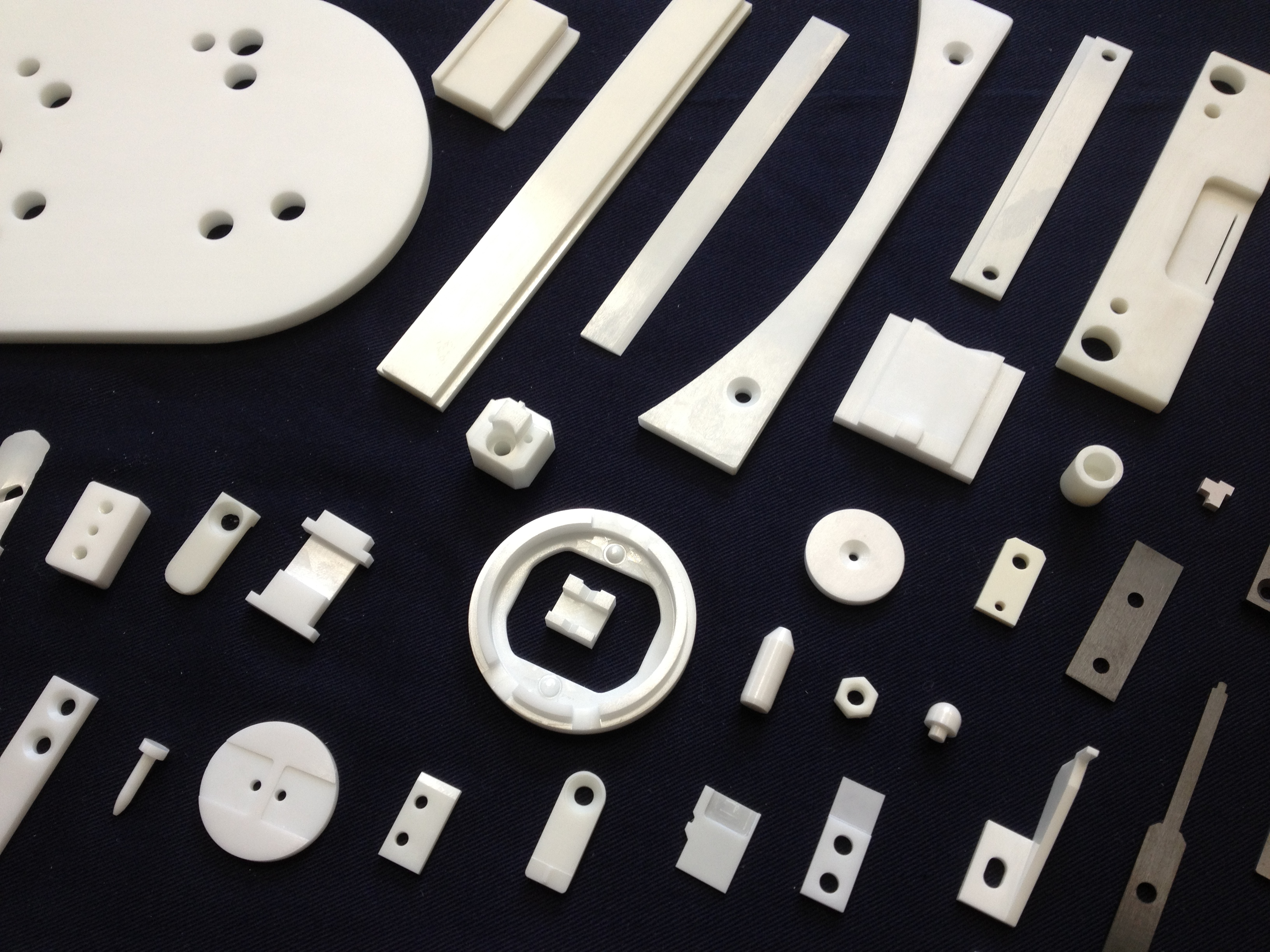
Zirconia (ZrO₂)
① Excellent Material Properties
Zirconia (ZrO₂) is an advanced ceramic material known for its exceptionally high strength and fracture toughness. Unlike many conventional ceramics, which are hard but relatively brittle, zirconia offers excellent resistance to cracking and fracture. It also provides high hardness, wear resistance, chemical resistance, and heat resistance, making it suitable for components exposed to impact, friction, and repeated mechanical loads.
② Advantages over Metals
Compared with metals, zirconia offers excellent hardness and wear resistance while being resistant to corrosion and oxidation. It is also electrically insulating and can be used in environments where metal contamination or metal ion release is a concern. Its combination of strength, wear resistance, corrosion resistance, and electrical insulation makes it an attractive alternative to metals in demanding applications.
③ Advantages over Plastics
Compared with plastics, zirconia provides significantly higher hardness, strength, wear resistance, and heat resistance. It is less susceptible to deformation at high temperatures and maintains its mechanical properties under severe friction and repeated loading. Zirconia is also highly resistant to many chemicals and solvents, making it suitable for demanding environments where plastics may have limited durability.
④ Typical Applications
Zirconia is widely used in semiconductor manufacturing equipment, precision machinery, bearings, sliding components, guides, nozzles, pump components, medical and analytical equipment, and optical components. It is particularly effective in applications requiring high strength, wear resistance, chemical resistance, and electrical insulation.
⑤ Why Choose Zirconia?
The greatest advantage of zirconia is its unique combination of high hardness and excellent fracture toughness. Its ability to withstand impact, wear, and repeated mechanical loading makes it an excellent choice for applications where conventional ceramics may be susceptible to cracking or fracture. Zirconia can contribute to longer component life, reduced maintenance, and improved reliability.
“Strong, wear resistant, and tough—Zirconia offers ceramic performance with exceptional durability.”
When conventional metals or plastics cannot provide sufficient strength, wear resistance, or chemical durability, zirconia offers a high-performance alternative for demanding industrial applications.
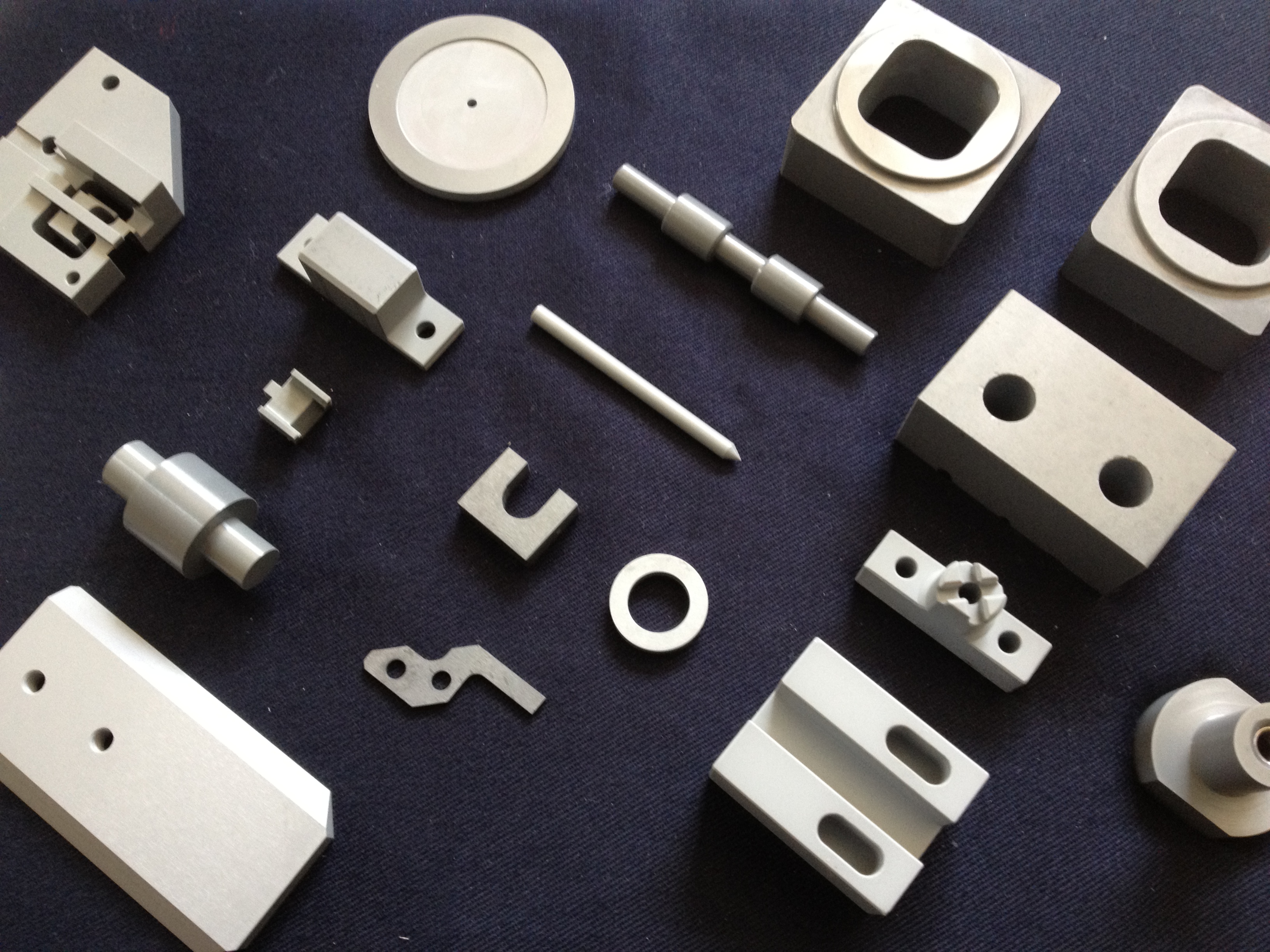
### Silicon Nitride (Si₃N₄)
**① Excellent Material Properties**
Silicon nitride (Si₃N₄) is an advanced engineering ceramic offering an excellent combination of high strength, fracture toughness, heat resistance, and wear resistance. Despite being a ceramic material, it provides excellent mechanical strength and resistance to thermal shock. Its low density and low coefficient of thermal expansion also make it suitable for high-precision components where dimensional stability is critical.
**② Advantages over Metals**
Compared with metals, silicon nitride is significantly lighter and offers excellent resistance to corrosion and oxidation. It maintains high mechanical strength at elevated temperatures and has a low coefficient of thermal expansion, resulting in minimal dimensional changes caused by temperature fluctuations. Its electrical insulation properties also make it an attractive alternative to metals in applications where weight, corrosion, thermal deformation, or electrical conductivity are concerns.
**③ Advantages over Plastics**
Compared with plastics, silicon nitride offers much higher hardness, strength, heat resistance, and wear resistance. It is suitable for high-temperature environments, high-speed rotation, and applications involving repeated mechanical loads, where plastics may suffer from deformation, wear, or thermal degradation. This can contribute to longer component life and improved reliability.
**④ Typical Applications**
Silicon nitride is widely used in semiconductor manufacturing equipment, bearings, rollers, shafts, sliding components, precision jigs, handling components, heater-related parts, and engine components. It is particularly effective in applications requiring **light weight, high strength, high-temperature resistance, wear resistance, and dimensional stability**.
**⑤ Why Choose Silicon Nitride?**
The greatest advantage of silicon nitride is its ability to combine **light weight, high strength, excellent heat resistance, and wear resistance**. Replacing metal components with silicon nitride can reduce weight while improving resistance to corrosion, heat, and wear. It can also provide longer service life and improved dimensional stability in demanding operating environments.
**“Lightweight, strong, and heat resistant—Silicon Nitride delivers high performance where conventional materials fall short.”**
For components requiring high strength, low weight, wear resistance, and dimensional stability, silicon nitride offers an advanced material solution for demanding industrial applications.
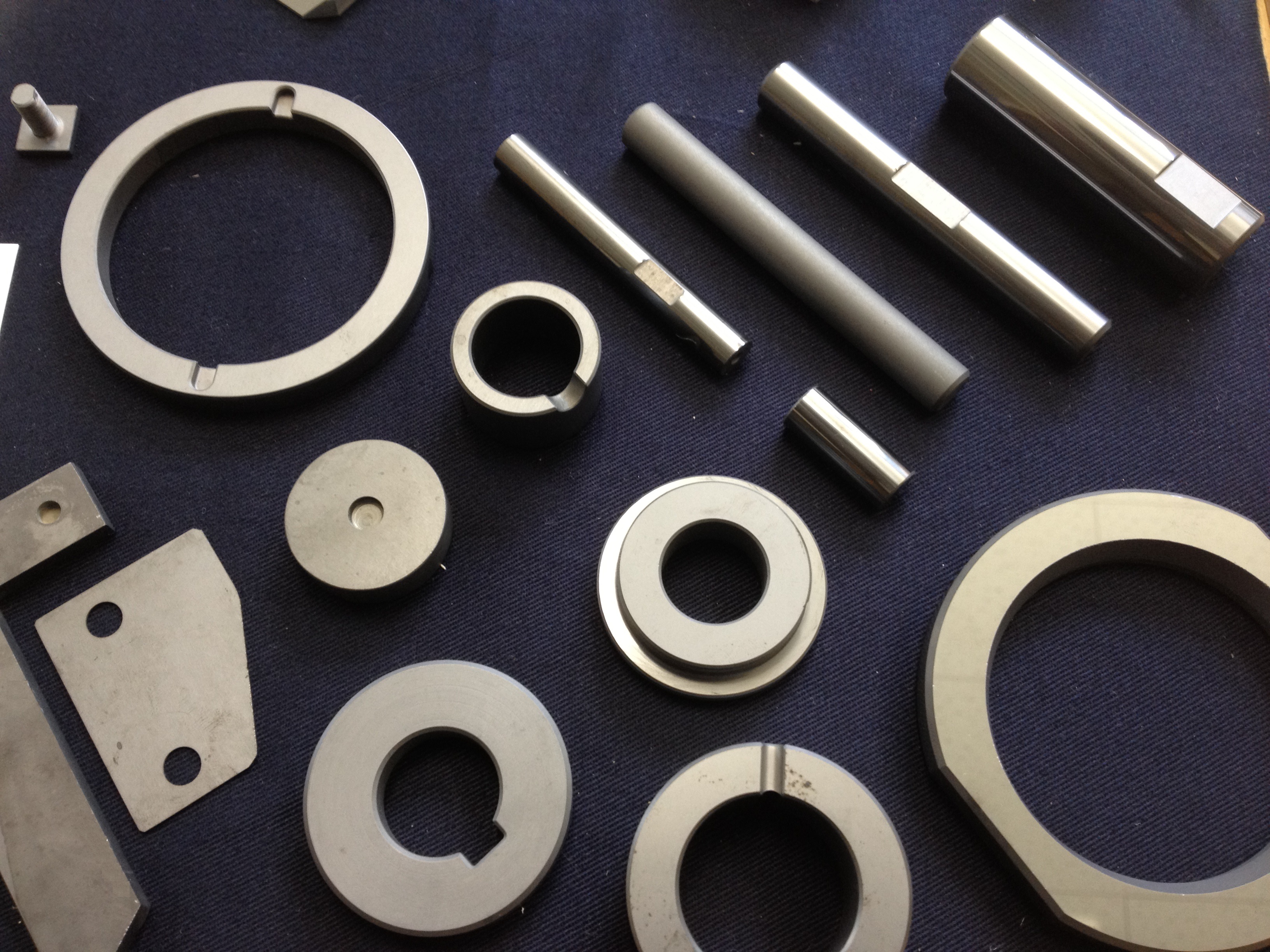
Silicon Carbide (SiC)
① Excellent Material Properties
Silicon carbide (SiC) is a high-performance ceramic material offering exceptional hardness, heat resistance, wear resistance, and chemical resistance. It maintains stable performance even in extremely high-temperature environments and also provides excellent thermal conductivity, making it suitable for applications where efficient heat dissipation is required. SiC is an ideal material for components used under severe operating conditions.
② Advantages over Metals
Compared with metals, SiC offers significantly higher hardness and wear resistance, as well as excellent resistance to corrosion and oxidation. It also maintains dimensional stability at high temperatures and is lightweight, making it a potential alternative to metals where weight reduction is required. SiC is particularly effective in environments where high temperature, corrosion, or severe wear are major concerns.
③ Advantages over Plastics
Compared with plastics, SiC provides dramatically higher hardness, heat resistance, wear resistance, and chemical resistance. It can maintain its performance under high temperatures, severe friction, and exposure to chemicals, making it suitable for applications where plastics may suffer from deformation, wear, or thermal degradation. SiC can significantly extend component life in demanding environments.
④ Typical Applications
SiC is widely used in semiconductor manufacturing equipment, heat treatment furnace components, heater-related components, wafer handling parts, mechanical seals, pump components, nozzles, precision jigs, and wear-resistant components. It is particularly effective in applications requiring high-temperature resistance, wear resistance, chemical resistance, and thermal conductivity.
⑤ Why Choose Silicon Carbide?
The greatest advantage of SiC is its combination of extreme hardness, excellent wear resistance, high-temperature performance, and chemical resistance. Especially in semiconductor manufacturing and other demanding industries, SiC contributes to longer component life, reduced maintenance, and stable equipment operation.
“For extreme temperatures, severe wear, and harsh chemical environments—choose Silicon Carbide.”
Replacing conventional metal or plastic components with SiC can significantly improve durability and service life. SiC is an advanced material for applications where reliable performance under severe conditions is essential.
### Machinable Ceramics
**① Excellent Material Properties**
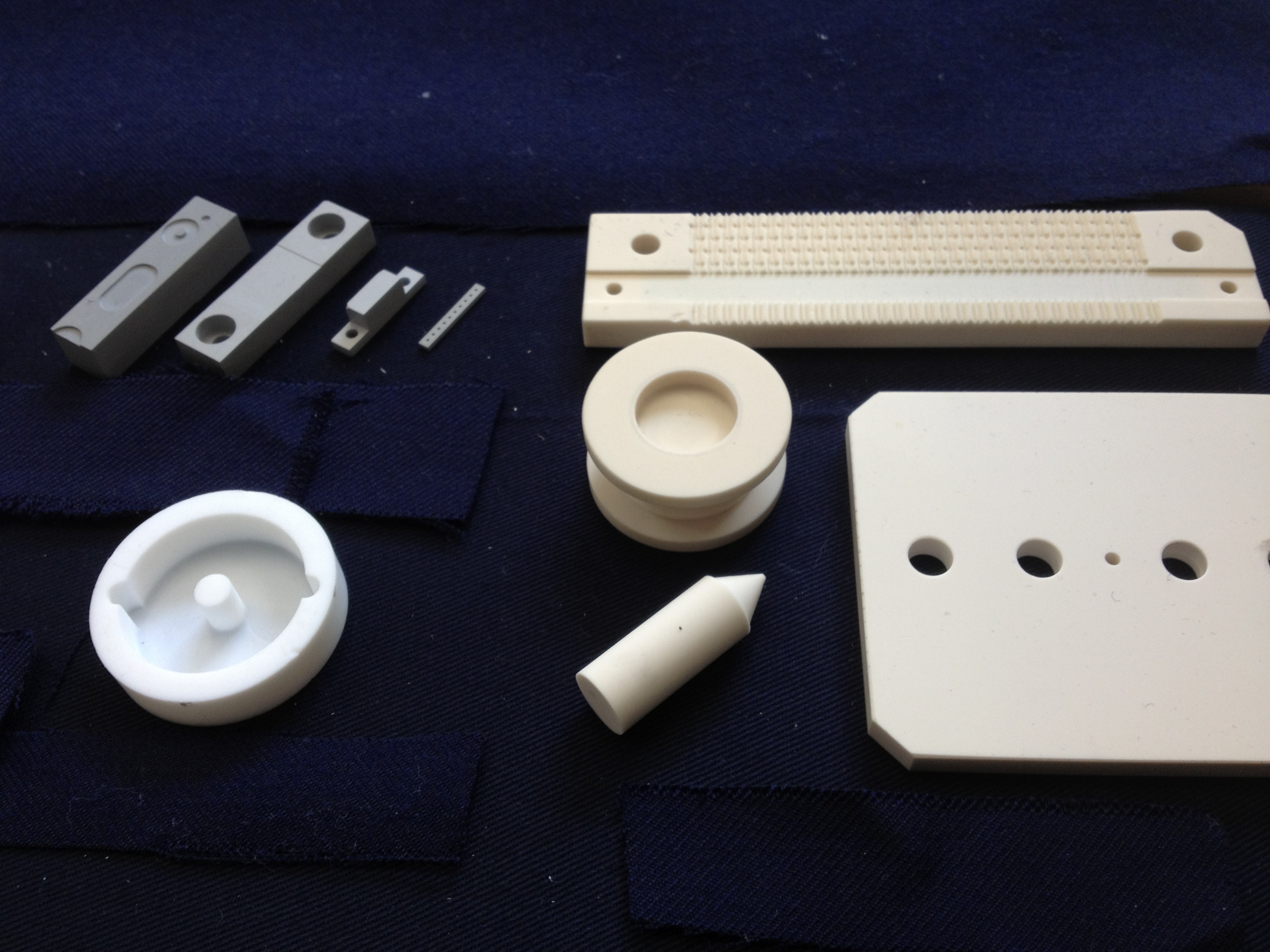
Machinable ceramics are a unique class of ceramic materials that can be machined using conventional cutting tools such as carbide or other suitable tools. Unlike many conventional ceramics, they can be processed by turning, milling, drilling, and other machining methods. This makes it easier to produce complex shapes, fine features, and precision components.
**② Advantages over Metals**
Compared with metals, machinable ceramics offer excellent electrical insulation, heat resistance, and chemical resistance. They are also resistant to corrosion and, depending on the material grade, can provide extremely low thermal expansion and excellent dimensional stability. They are an attractive alternative to metals in applications where corrosion, electrical conductivity, or thermal expansion is a concern.
**③ Advantages over Conventional Ceramics**
Conventional ceramics such as alumina and zirconia generally require diamond grinding or other specialized processes after firing, making complex shapes more difficult and costly to manufacture. Machinable ceramics, on the other hand, can be directly machined to create holes, grooves, threads, and other complex features. This makes them particularly suitable for prototypes, small-volume production, and customized components.
**④ Typical Applications**
Machinable ceramics are widely used in semiconductor manufacturing equipment, electronic components, electrical insulation fixtures, inspection jigs, precision machine components, vacuum equipment, and research and development equipment. They are particularly effective in applications requiring a combination of **electrical insulation, heat resistance, chemical resistance, and complex geometries**.
**⑤ Why Choose Machinable Ceramics?**
The greatest advantage of machinable ceramics is their ability to combine **the functional properties of ceramics with machining characteristics similar to metals**. Their excellent machinability provides greater design flexibility and makes it possible to manufacture complex and highly customized components. Shapes that are difficult to produce with conventional ceramics may be achievable with machinable ceramics.
**“Need the performance of ceramics, but concerned about machining difficulties? Machinable ceramics offer a solution.”**
By combining excellent electrical insulation, heat resistance, and chemical resistance with superior machinability, machinable ceramics can help realize components that are difficult to manufacture using conventional materials.
Aluminum Nitride (AlN)
① Excellent Material Properties
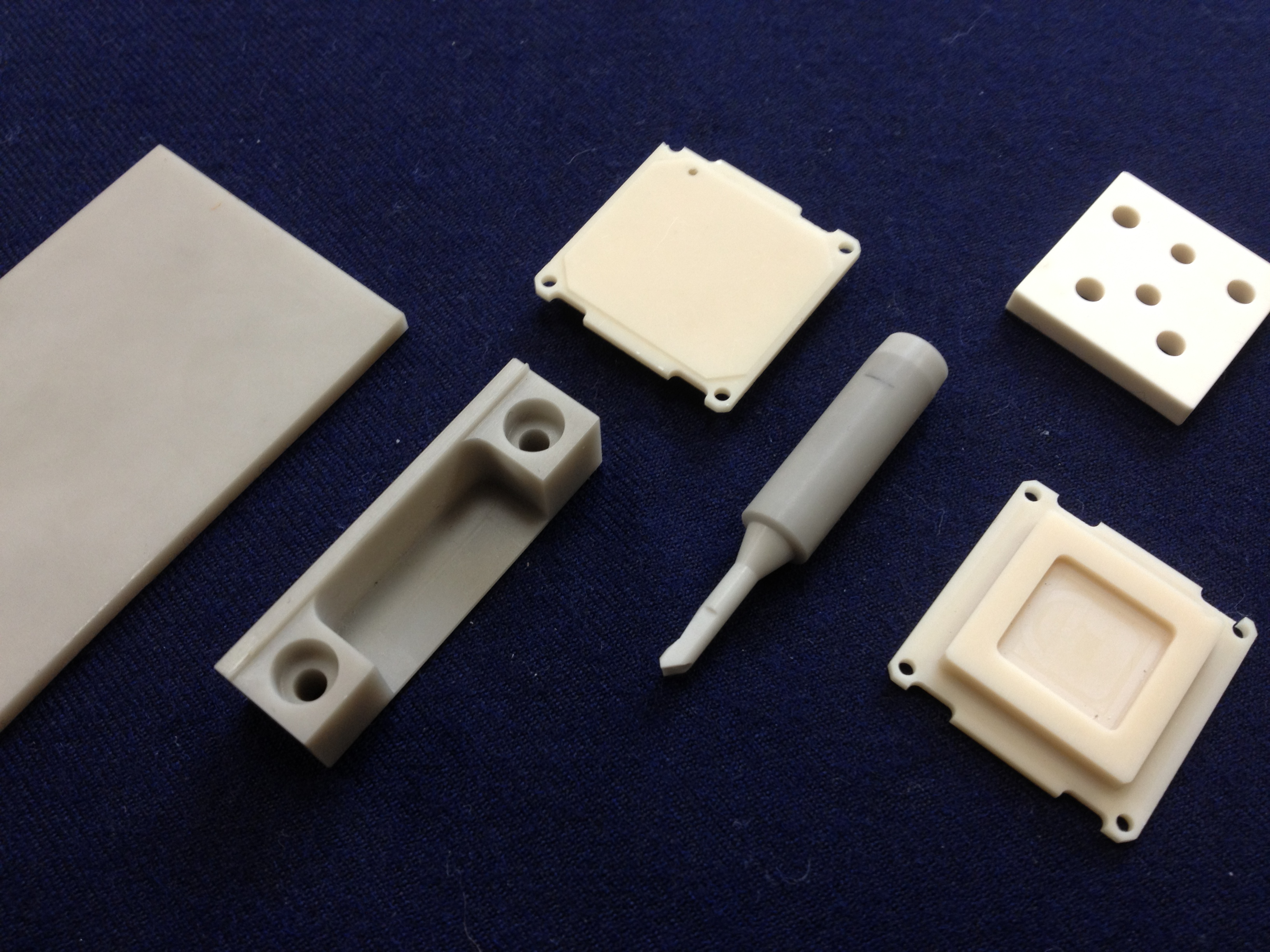
Aluminum nitride (AlN) is a high-performance ceramic material that combines excellent thermal conductivity with outstanding electrical insulation. It efficiently dissipates heat from electronic and semiconductor components while maintaining electrical insulation. AlN also offers excellent heat resistance, chemical resistance, and dimensional stability against temperature changes.
② Advantages over Metals
Metals generally provide high thermal conductivity but also conduct electricity. AlN offers high thermal conductivity comparable to many metals while maintaining excellent electrical insulation. It is also resistant to corrosion and oxidation and is lightweight, making it an ideal material for heat-dissipating components where electrical insulation is required.
③ Advantages over Plastics
Compared with plastics, AlN provides significantly higher thermal conductivity and heat resistance and is less susceptible to deformation or degradation at high temperatures. In electronic and semiconductor applications where heat generation can affect performance, AlN can contribute to efficient heat dissipation, stable operation, and longer component life.
④ Typical Applications
AlN is widely used in semiconductor manufacturing equipment, power semiconductor substrates, LED substrates, electrically insulating substrates for electronic components, heat sinks, heater components, and various heat-dissipation parts. It is particularly effective in applications requiring a combination of high thermal conductivity, electrical insulation, and heat resistance.
⑤ Why Choose Aluminum Nitride?
The greatest advantage of AlN is its ability to meet two seemingly conflicting requirements: “efficiently dissipate heat while maintaining electrical insulation.” As electronic and semiconductor devices become more powerful and compact, effective thermal management is increasingly important. AlN can contribute to higher reliability and improved performance by combining efficient heat dissipation with excellent electrical insulation.
“Need to dissipate heat efficiently while keeping electricity insulated? Consider Aluminum Nitride.”
AlN is a high-performance ceramic material that supports the advancement of semiconductor and electronic technologies. It is an excellent choice for applications requiring both high thermal conductivity and reliable electrical insulation.
Cemented Carbide
① Excellent Material Properties
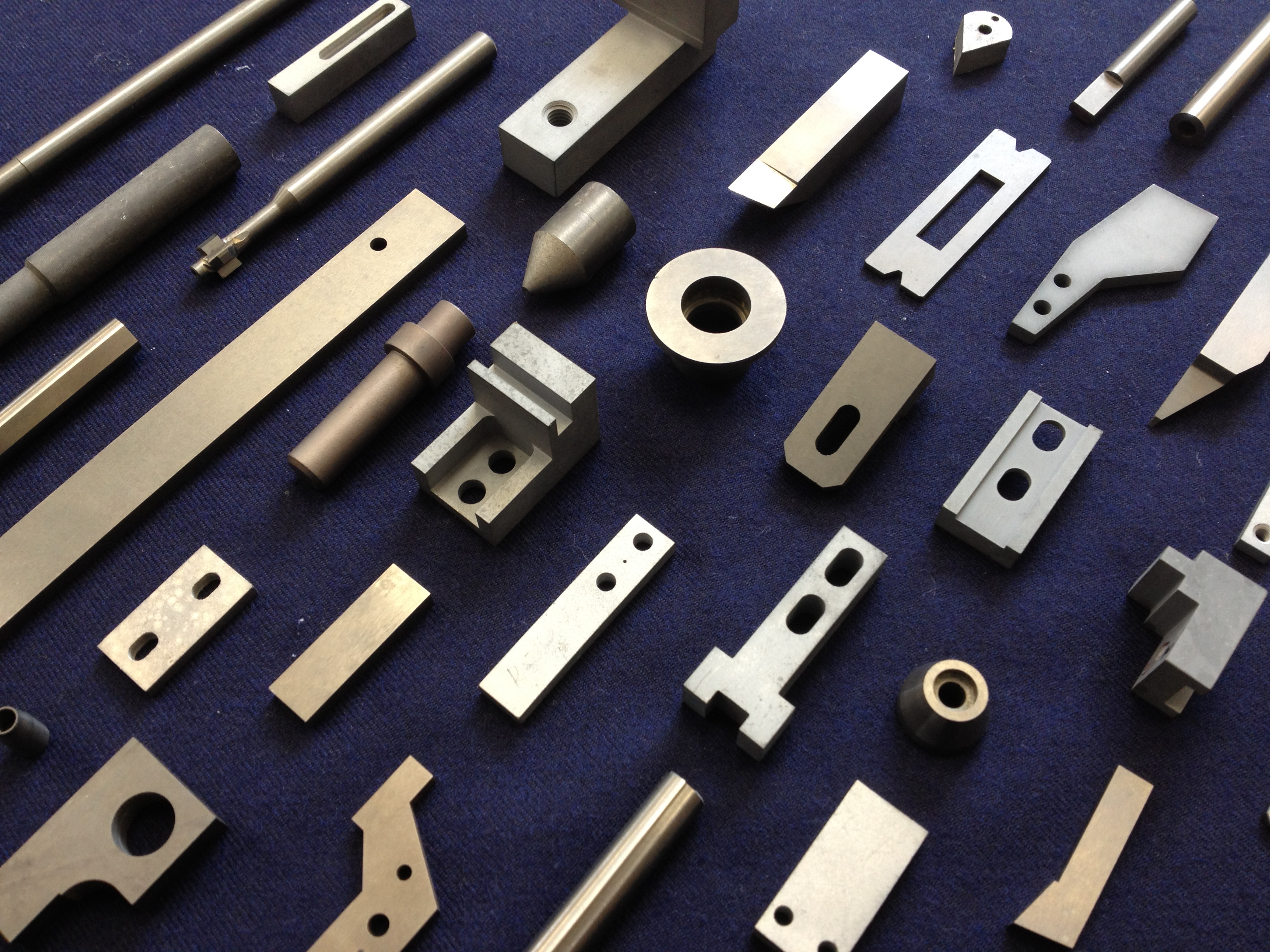
Cemented carbide is a high-performance material primarily composed of tungsten carbide (WC) and a metallic binder such as cobalt (Co). It offers extremely high hardness, compressive strength, and wear resistance while maintaining better toughness than most ceramics. Its excellent resistance to wear makes it ideal for components that require long service life and stable dimensional accuracy.
② Advantages over Metals
Compared with conventional steels, cemented carbide provides significantly higher hardness and wear resistance, helping to minimize wear caused by cutting, sliding, and repeated contact. In applications such as cutting tools, dies, molds, and wear-resistant components, it can extend component life and reduce replacement and maintenance frequency. However, because its toughness is generally lower than that of steel, selecting the appropriate grade according to the application is essential.
③ Advantages over Ceramics
Compared with ceramics, cemented carbide generally offers higher toughness due to its metallic binder phase, making it more suitable for applications involving impact and repeated mechanical loads. It provides an excellent balance of high hardness, wear resistance, strength, and toughness, while reducing the risk of chipping or fracture compared with many ceramic materials.
④ Typical Applications
Cemented carbide is widely used for cutting tools, molds, punches and dies, precision machine components, guides, nozzles, rollers, sliding components, and wear-resistant jigs. It is particularly effective in applications where minimizing wear and maintaining dimensional accuracy over a long period are critical.
⑤ Why Choose Cemented Carbide?
The greatest advantage of cemented carbide is its ability to combine extremely high hardness and wear resistance with excellent mechanical strength and toughness. By reducing dimensional changes caused by wear, cemented carbide can extend component life, reduce maintenance and replacement costs, and contribute to stable equipment operation and higher productivity.
“When you need not only hardness, but also durability and wear resistance—choose cemented carbide.”
For components requiring long service life and high dimensional accuracy, we can propose the most suitable grade, hardness, and machining method for your application.
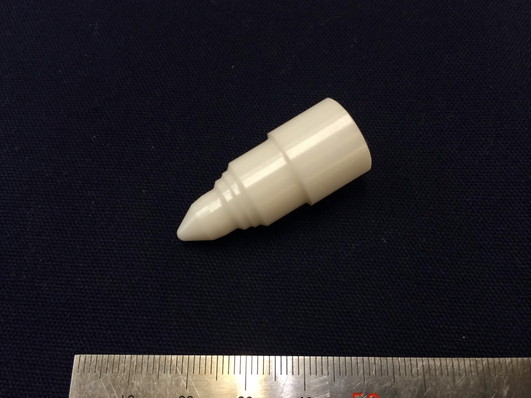
MK CERA Zirconia Welding Jigs are custom precision ceramic fixtures designed to hold, support, guide, and position parts during welding. Made from hard, wear-resistant, electrically insulating zirconia, they suit automated welding and assembly systems. Products are manufactured from drawings, 3D data, or samples, from prototypes to repeat orders.

| Company name | MK CERA Co., LTD. | Website URL | https://mk-cera.co.jp/ |
|---|---|---|---|
| Street address |
Shimoina Nagano Japan
[See map] |
Person in charge | Manabu Matsuda |
| Telephone number | +81-265-34-4431 | Fax number | +81-265-34-4471 |
| Capital | 60,000 $ | Employees | 24 |
| Annual sales | Unregister | EMIDAS Member Number | 91523 |
| Type of manufacturing | Machine tools / Industrial machinery / Medical equipment | ||
| Main 3 products |
|
||